Wants, Needs, and the Cost of Misaligned Energy


There’s something deeply unsettling about how we often pour more effort into our wants than our needs. I’m not exempt—I catch myself doing it too.
When I want something, I become disciplined, even sacrificial. I cut back, get focused, and execute. But when it comes to needs—especially the ones that require patience, energy, and long-term consistency—I sometimes fall short. That’s an imbalance I’ve been confronting head-on.
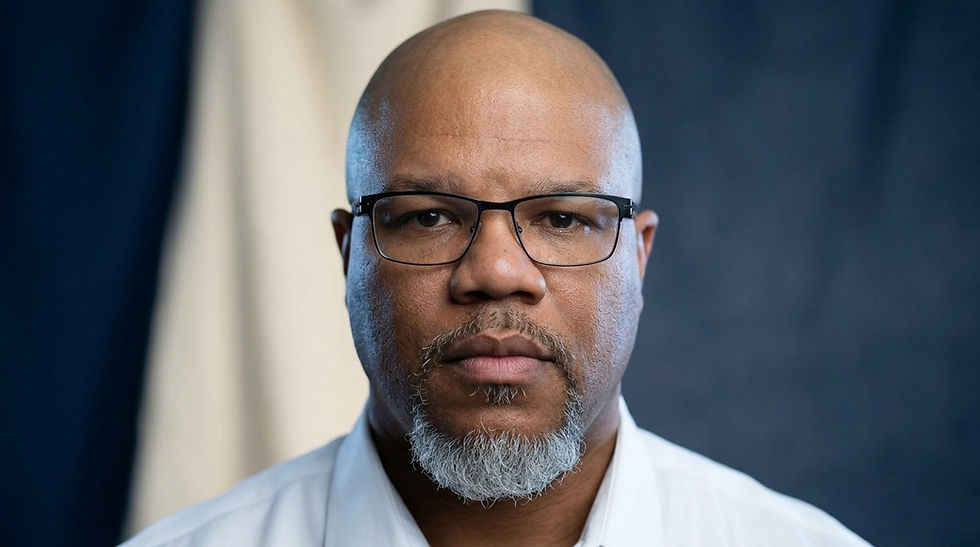
I’m a large individual—former bodybuilder, powerlifter type—but the truth is, I’m also carrying more body fat than I should. I eat well, but I don’t burn enough. I know what needs to be done: better routines, more active days, less compromise. Yet, the paradox is that I’ll push harder for things I want than things I need for my health, peace, or long-term stability. That’s not just ironic—it’s dangerous.
Here’s the thing: we all say we want purpose. We all say we value our “why.” But when our wants outpace our needs, we use that same “why” to justify the imbalance. We reframe desire as purpose. That’s when our direction falters and we begin misusing the very fuel meant to move us forward.
From Buyer’s Remorse to Life Remorse
This became glaringly obvious to me years ago when I was selling cars. Customers would come in—excited, informed, prepared. They’d researched the vehicle, test-driven it, sometimes even took it home overnight. They’d fall in love with the newness, the smell, the shine, the feel of possibility.
But within a week? Buyer’s remorse.
Reality kicked in: the monthly payments, the gas, the maintenance, the commitment. The want had been fulfilled, but the need to maintain, to be consistent, to accept the cost—was neglected.
That emotional high had become a long-term responsibility. And now it was draining rather than sustaining.
Sound familiar?
It’s not just cars. That’s how people approach relationships, careers, goals—even spiritual commitments. The newness fades, and without a deeper understanding of our needs, we retreat. We fall back into seeking wants again, just to feel something.
When Emotion Becomes the Driver
I often talk to my son about this. He loves being around people—it energizes him. But I warn him: don’t get drunk off compliments. They’re emotional sugar. They feel good, but they can’t feed your soul for long. If you start mistaking validation for direction, you’ll chase emotional states rather than grounded growth.
You’ll begin to need attention because you once wanted it. And suddenly, your emotions are driving the car while your purpose is in the passenger seat.
That’s not sustainable. That’s a recipe for disorientation.
So What Do We Actually Need?
We need consistency. Vision. A clear understanding of why we’re doing what we do.
Our needs aren’t always glamorous. They don’t come with applause or dopamine hits. But they’re the bedrock of our longevity and legacy.
The question I wrestle with is this: Do I write because I want to be heard or because I need to grow?
Honestly? Both.
But here’s the difference: my want to share is existential—it connects me to others. But my need to reflect is internal—it grounds me in truth. The former is for impact. The latter is for growth. Both are necessary, but they can’t be confused.
I’m not here to act like I have all the answers. I’m just a man thinking out loud. Sharing with the world. Growing while I go.


Comments