You Don’t Have to Know Everything to Be Worth Listening To
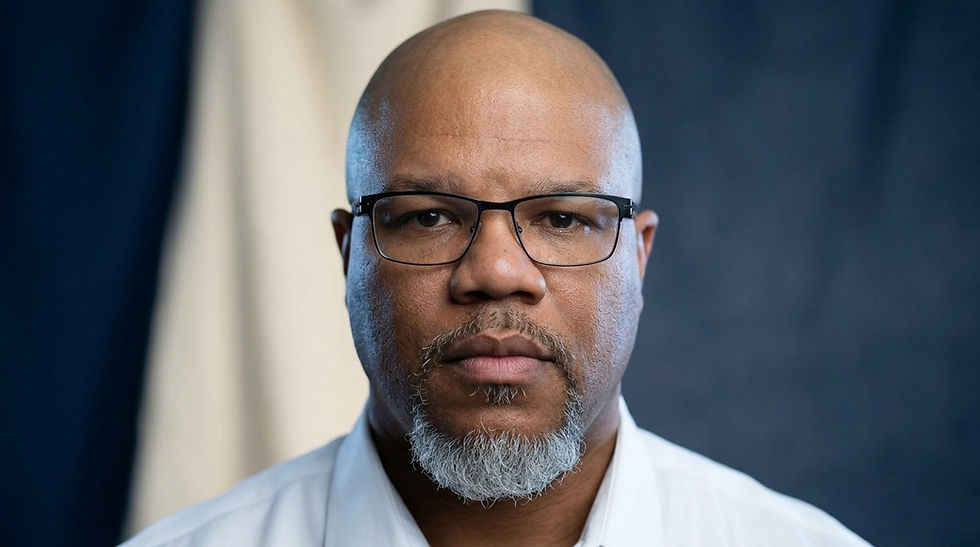
- Marcus D. Taylor, MBA

- Aug 6, 2025
- 3 min read

As a parent, mentor, and lifelong learner, I’ve noticed something strange—something that’s quietly eroding our relationships, our understanding, and our growth: the belief that unless someone knows everything about a subject, their insight has no value.
Let’s unpack that, because this all-or-nothing thinking is dangerous.
The Myth of Complete Knowledge
We often expect parents, elders, or teachers to be encyclopedic in their knowledge. If they slip up—even slightly—they're dismissed. If they can’t quote the exact source or haven’t read the latest trend-setting book, their credibility is questioned. But wisdom doesn’t always come from complete knowledge—it comes from engagement, observation, and a willingness to try.
You don’t have to know everything to have something worth saying.
You don’t need a degree to understand life.
And you certainly don’t need validation from someone else’s favorite source to hold an insight that can change a life.
All-or-Nothing Thinking is Killing Conversation
We live in a binary culture—if you’re not right, you’re wrong. If you don’t have all the answers, you must know nothing. This kind of thinking isn’t just shallow—it’s destructive.
It discourages honest dialogue
It shames people into silence
It dismisses lived experience
That’s not how we grow. That’s how we divide.
Imagine two people discussing a historical topic. One has lived experience. The other has academic training. Do we really gain more by having them fight over who is “more right,” or would we grow deeper by letting both perspectives inform one another?
When Sources Matter More Than Sense
A disturbing trend I’ve seen—especially among younger people—is source loyalty. If what you say doesn’t come from their trusted academic source, social media influencer, or preferred ideology, it’s instantly disregarded.
Even if the idea is sound.
Even if the truth is visible.
Even if the logic makes perfect sense.
This kind of thinking is not critical—it’s performative. It values familiarity over facts and comfort over clarity.
We Don't Want Conversations—We Want Echo Chambers
Too many people, especially in emotionally immature relationships or peer groups, reject hard conversations. If it doesn’t feel good, it’s labeled as toxic. If it challenges a belief, it’s labeled as disrespect. If it doesn’t come in the package they want, it’s thrown away—no matter how important the message might be.
Growth doesn’t happen in echo chambers.
It happens in tension.
It happens in discomfort.
It happens when we listen anyway.
We cannot evolve as thinkers, as parents, or as people if we only embrace conversations that feel comfortable or sound familiar.
Emotional Reasoning and the Rise of Manipulation
When we prioritize how we feel over what we see, we open the door to manipulation. Emotional reasoning—"If it makes me uncomfortable, it must be wrong"—is how people are controlled by fear, propaganda, and emotional triggers.
This is how youth are misled
This is how adults are divided
This is how society becomes easier to control
The ability to think critically despite discomfort is one of the most powerful tools we have.
And yet, it’s becoming rare.
So What Do We Do About It?
Here’s what I believe we must start doing:
Validate Partial Understanding
Someone may not have the full picture, but they might have the piece you’re missing. Don’t punish people for trying to understand. Help them build.
Build Bridges, Not Walls
If you know more than someone else, invite them in. Share. Teach. But never use your knowledge to shame.
Stop Worshipping the “Right” Source
It’s not about who said it. It’s about what they said and whether it holds truth. Test ideas, not people.
Restore the Art of Dialogue
Safe conversations are respectful. Not always comfortable. Let’s stop confusing the two.
Teach Emotional Discipline
Help the next generation think beyond their feelings. Teach them to observe, evaluate, and engage—not just react.
A Personal Note to Parents, Mentors, and Elders
If you’re a parent who feels dismissed…If you’re an elder whose words fall on deaf ears…If you’re a mentor whose insight is ignored because it doesn’t “sound academic enough”…
Hold the line. Keep speaking. You may not have a microphone, but you still have a message.
We need more people willing to say, “I may not know everything, but I care enough to try.” That kind of wisdom is often more transformative than knowledge itself.
Final Thought:
“The truth isn’t less true just because it makes someone uncomfortable.”— Marcus "MD" Taylor
If we want to raise thinkers, build leaders, and empower families—we must stop silencing those who care enough to speak up.


Comments